
What to Do About Temperature Fluctuations in a Cold Storage Facility
-
January 30th, 2026
Temperature fluctuations are one of the biggest threats to any cold storage operation. They drive up energy costs, disrupt workflows, and (most importantly) put product quality and safety at risk.
And while every facility is different, the root causes are surprisingly consistent: frequent door openings, faulty insulation, HVAC or refrigeration problems, and equipment that should have been booted last year.
What’s useful about those consistent causes is that most fluctuations are preventable. With the right practices and the right equipment, you can stabilise temperatures, reduce that pesky energy waste, and extend the lifespan of your entire cold chain.
How Can Door Seals Affect Temperature Stability?
Door seals are small components with a big job. When they’re in good condition, they create a tight thermal barrier, keeping cold air in and warm air out.
But when seals are worn, cracked, misaligned or compressed, the cold room essentially develops a permanent “chink in the armour”.
Even a small breach leads to:
-
Continuous cold air loss
-
Warm air infiltration that drives temperature swings
-
Icing or fogging around the opening
-
Refrigeration systems working harder for longer
The fix is simple, but essential: regular inspection, cleaning, and timely replacement.
A cold room door with a proper seal not only stabilises temperatures, but it also reduces compressor run times and improves the overall efficiency of the thermal envelope.
How to Handle Frequent Door Openings and Traffic Flow
High-traffic zones like loading bays, production corridors, and walk-in freezers are often the biggest culprits behind temperature instability. Every door opening is a chance for warm air to rush in and disrupt the equilibrium.
Smart traffic management and the right products can dramatically reduce this impact. Some of the most effective options include:
Rapid-Operation Doors (K750 Energy Door)
Designed specifically for energy efficiency in cold environments, the K750 Energy Door helps minimise air exchange during openings. Its durable build, insulated panels and smooth operation make it ideal for areas where door cycles are constant. Unlike curtains or lightweight barriers, the K750 maintains its performance even under demanding use, contributing to a more stable environment.
Insulated Strip Curtains (K2)
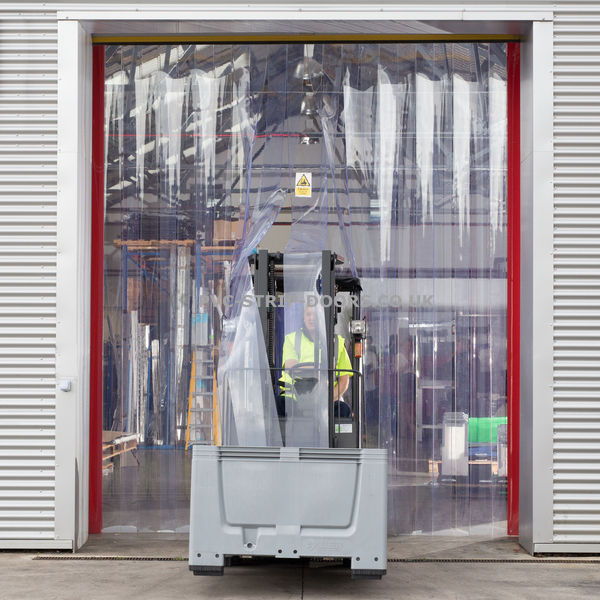
The K2 Insulated Strip Door Curtain is a flexible, user-friendly solution for high-frequency access points. It allows for quick movement of staff and equipment while reducing thermal loss - especially effective when doors need to remain open for short periods.
Standard Clear PVC Strip Curtains
Simple, economical, and effective, these provide a barrier that limits (but doesn’t completely prevent) warm air from entering the space. While not as robust as the K750 or K2 solutions, strip curtains remain a staple in many facilities where foot traffic is constant.
Workflow Planning & Routing
Reducing temperature loss isn’t just about the doors themselves - it’s also about how people, products and equipment move through the space. Poorly planned workflows can lead to unnecessary door openings, longer open times, and congestion around access points, all of which put extra strain on cooling systems.
Small adjustments - like rerouting equipment away from key doorways or grouping activities to reduce open cycles - can have a significant impact on temperature stability.
Maintenance Practices to Prevent Fluctuations
Cold rooms operate best when everything is clean, aligned, and running efficiently. This means that a proactive maintenance plan will do more to prevent fluctuations than almost anything else.
Here are a few key tasks to build into your team's routine:
1. Clean Condensers and Evaporators
Dust, frost, and debris in these important little components can restrict airflow and reduce cooling performance. Clean coils, on the other hand, operate more efficiently and maintain temperatures with less energy.
2. Inspect Fans and Motors
Weak airflow = uneven temperatures. This is because warm pockets of air can develop, and all the air needs to be “recycled” regularly to keep everything consistent. Regular lubrication, performance monitoring, and timely motor replacements help maintain consistent cooling across the entire room.
3. Check Door Alignment
A misaligned door compromises the seal, which is an airtight barrier that keeps the cold air in and warm air out. This, in turn, compromises temperature stability. Ensuring smooth opening/closing, hinge tension, and proper alignment will preserve energy and protect product quality.
4. Replace Worn Components Early
They say that prevention is better than cure, and what would you know - it’s true for cold rooms too. Prevention is simply always cheaper than emergency repairs. Replace gaskets, hinges, rollers, and sensors before they fail - not after.
When Should You Upgrade Equipment or Infrastructure?
Sometimes, temperature fluctuations are a symptom of ageing systems or outdated infrastructure. If you’re experiencing persistent issues, it’s probably time to invest in modern, more efficient solutions.
You should consider upgrading when:
-
Doors struggle to maintain a seal or frequently ice over
-
Insulation panels show signs of moisture, compression, or thermal bridging
-
Refrigeration systems run almost continuously to maintain setpoints
-
Energy bills climb without obvious operational changes
-
Frequent breakdowns or callouts are disrupting workflow
-
You’re expanding operations or storing more temperature-sensitive products
Upgrading doors, especially to purpose-built solutions like the K750 Energy Door, can dramatically improve stability and reduce energy spend, and improved insulation or modern refrigeration controls can correct long-standing inefficiencies you may not even realise were costing you money.
Ready to Put an End to Temperature Fluctuations?
Temperature stability isn’t about luck - it’s the result of smart design, well-maintained equipment, the right doors, and operational habits that protect the cold chain instead of working against it. When all of these work together, you get a facility that runs smoothly, protects product integrity, and uses far less energy to do it.
Whether you’re dealing with persistent warm spots, constant icing, or a cold room that can’t quite keep up, the good news is this: most problems have straightforward solutions. Upgrading to better-performing doors, tightening up seals, improving airflow, or refreshing ageing equipment can deliver immediate improvements.
If you’re ready to upgrade to door systems built for demanding, high-traffic cold storage environments, Kenfield’s engineering-led team is here to help. From insulated solutions to advanced energy-saving door systems, we’ll help you create a more stable, efficient, and future-proof facility. Just give us a call at +44 (0)121 451 3051.
